
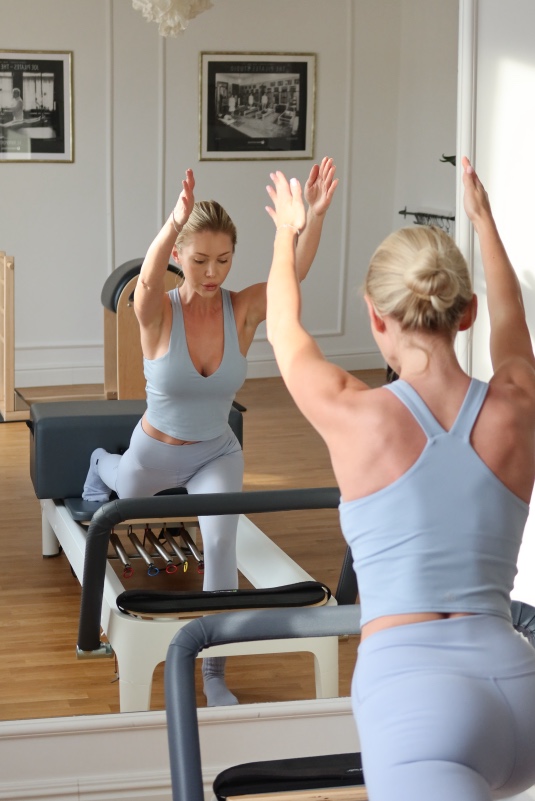
Your Guide To Consistency: How To Stay Committed To Movement Without Burning Out
Consistency is the heartbeat of real change. It’s the quiet, steady rhythm underneath every strong core, lifted posture, calmer mind and energized body. Yet staying consistent is one of the hardest parts of any wellness journey. Not because we’re lazy or unmotivated, but because we’ve been taught to approach movement with pressure, urgency and unrealistic expectations. True consistency doesn’t come from discipline alone. It comes from connection. It grows when movement feels meaningful, supportive and aligned with your lifestyle rather than something you force into it. If you’ve struggled to stay consistent before, it’s not because you failed. It’s because you weren’t given a method that honors the way the body and nervous system are designed. This guide will reshape the way you think about consistency forever.
Start Smaller Than Your Ambition Wants You To
Most people break consistency on day three. Not because they don’t want results, but because they start with routines that are too long, too intense or too rigid. Your brain rejects anything that feels overwhelming or unsafe. That’s why the secret to staying consistent is starting smaller than you think is necessary. Ten minutes. Five minutes. A gentle flow. A walk around the block. A short Pilates sequence. A microcommitment. The point isn’t the length. It’s the repetition. Small habits build longterm identity. Big habits burn out fast.
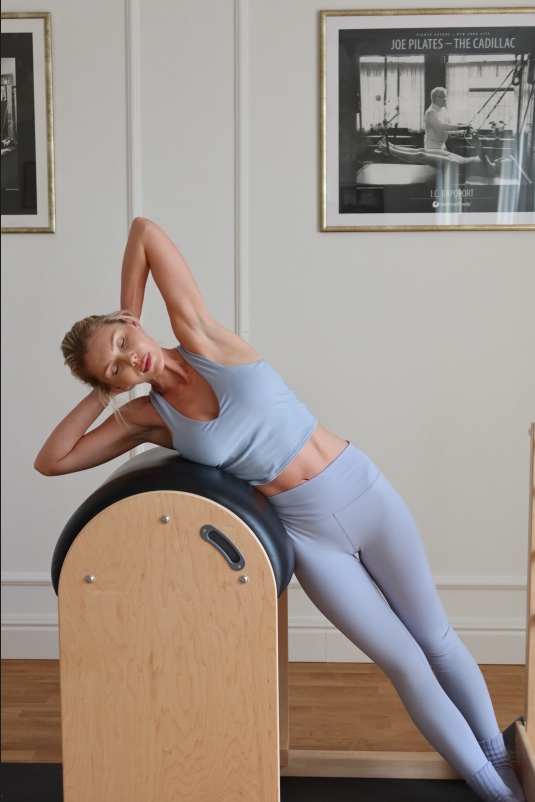
Why Your Nervous System Matters More Than Your Motivation
Motivation is unreliable. It rises and falls depending on hormones, sleep, stress, emotions and daily overwhelm. Your nervous system, however, is predictable. If movement feels threatening, too hard or too draining, your nervous system will resist showing up. But if movement feels safe, grounding, calming and energizing, your nervous system will crave more of it. This is why low impact movement like Pilates is so sustainable. It lowers cortisol instead of raising it. It brings your breath deeper. It calms the mind. It meets you where you are. Movement becomes soothing instead of stressful, which makes consistency effortless.
Create Rituals, Not Rules
Rules create guilt and pressure. Rituals create connection and intention. And consistency grows where there is pleasure, not punishment. Turn your practice into a moment you look forward to. Light a candle. Roll your mat out in the same beautiful spot. Play your favorite playlist. Choose soft lighting. Wear something that makes you feel good. Ritual anchors the practice emotionally, and when you enjoy the atmosphere, you return naturally. The goal is not to force movement into your day. The goal is to build a moment you don’t want to miss.
Identity Drives Behavior
People think action builds identity, but identity actually builds action. If you think of yourself as someone who “can’t stick to routines,” your behavior will match that belief. Instead, shift your identity gently. Tell yourself: “I’m someone who takes care of her body,” “I show up for myself in small ways,” “Movement makes me feel grounded,” “I’m consistent in the ways that matter.” The more you embody this identity, the more naturally the behavior follows. Consistency becomes part of who you are, not something you chase.
Set Up Your Environment For Automatic Success
Your environment shapes your habits more than motivation does. Keep your mat visible. Keep your space clean, calm and ready. If your practice requires setting up ten things, you won’t do it. Make movement frictionless. Smooth surfaces, open space, easy access. When the environment is ready, your brain interprets movement as the path of least resistance.
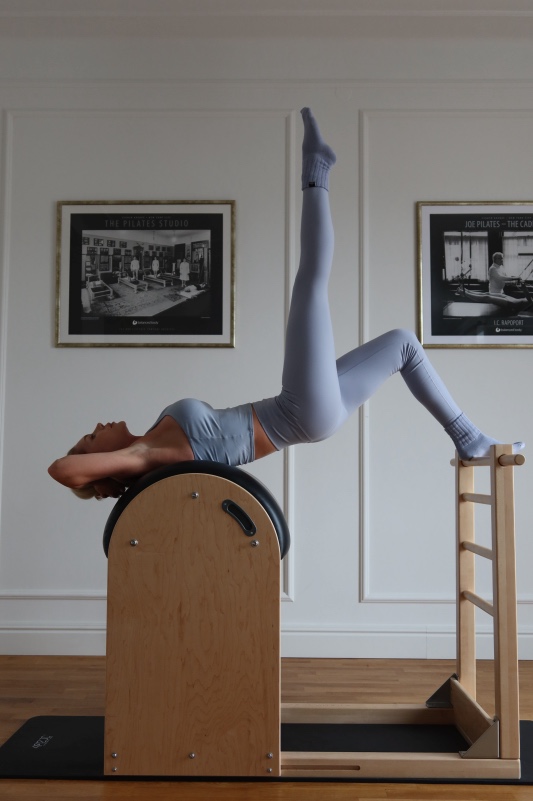
Track What Actually Changes First
Most people quit because they only look for visible results. But Pilates, mindful movement and low impact workouts transform you internally long before the mirror changes. Track your posture. Your breath. Your daily energy. Your stress levels. Your digestion. Your mood after sessions. Your sleep. Your confidence. These internal markers shift quickly, sometimes within days, and they are powerful motivators. When you see the soft results, you keep going until the visible ones arrive.
Understand the Hormonal Rhythm of Movement
Your energy isn’t meant to be the same every day. Women especially experience shifts through their cycle. Some phases support strength and endurance. Others support softness and recovery. Consistency doesn’t mean doing the same type of workout daily. It means honoring your body’s changing needs. On lowenergy days, choose gentle Pilates, stretching or walking. On stronger days, choose more controlled strength work. When you stop fighting your hormonal rhythm, consistency becomes sustainable instead of stressful.
Use the “Never Zero” Method
If your goal is long-term consistency, remove the idea of “all or nothing.” Instead, adopt “never zero.” On days when you don’t have time or energy for a full practice, do one minute of breathwork. One side stretch. One spinal mobility sequence. One glute activation move. The habit remains alive, and your brain still experiences the satisfaction of showing up. This method builds remarkable resilience and keeps the habit from collapsing during busy or stressful periods.
Why Consistency in Pilates Feels Different
Pilates is unique because it meets your body at every phase. It strengthens without crushing you. It lengthens without overstretching. It builds deep core stability that carries you into every other movement. It teaches alignment, breath and body awareness. And most importantly, it feels good. This makes it one of the few forms of movement that can be sustained long term with joy instead of pressure. Consistency grows when the practice feels like nourishment rather than another task.
Progress Happens Quietly, Then All at Once
In Pilates and mindful movement, progress often begins in ways you can’t see. Your spine feels lighter. Your lower back stops hurting. Your breath deepens. Your shoulders soften. Your body feels more stable. Your steps feel smoother. Then, one day, everything clicks. Moves feel easier. Your posture lifts on its own. You feel stronger without trying.Your body trusts the new pattern. That’s the moment consistency transforms from effort into instinct.
You Deserve Movement That Loves You Back
Consistency is not about perfection or punishment. It’s about creating a practice that feels like coming home to your body. It’s about learning to listen instead of push. It’s about softness, awareness and intention. When movement becomes something you look forward to, consistency stops being a challenge and becomes a natural extension of your day. You deserve a relationship with movement that feels safe, supportive and sustainable. You deserve a body that feels cared for. And when you honor yourself through small, intentional movement each day, you will be amazed by how naturally consistency follows.

